Who travels solo?
In a recent survey on Solo Travel Trends in New Zealand, we found that 71% of New Zealanders are happy to head out on a solo trip, with 1 in 5 travellers having been on at least 11 journeys alone.
When it comes to people travelling solo from other countries in the Asia Pacific region, 71% of Australians have travelled solo, followed by 56% of Hong Kong travellers, 56% of Taiwanese travellers, 55% of Thai travellers, 43% of Indian travellers, and just 29% of Singaporean travellers.
Seventy-five percent of men have been on a solo trip versus 68% of women, and men tend to go on more solo trips than women with 47% saying they have taken at least 6 solo trips (compared to 36% of females). The age group with the highest proportion of solo travellers are people between 22 to 29 years old.

Interestingly, solo female travellers are one of the fastest growing travel demographics, with more women venturing on their own every year.
Why do people travel solo?
While the primary driver for all survey respondents to travel alone was to simply be by themselves and explore new places alone (24%), 20% of solo travellers also indicated that having no one else to travel with was a reason why they explored a destination without a partner. Other driving reasons included to meet new people and to go on a journey of self-discovery.

The benefits of travelling solo
Travelling solo is one of the best ways you can grow not only as a traveller, but as a person overall.
Solo travel gives you confidence. When you’re in a new environment on your own, you’ll quickly learn how to adapt to unfamiliar terrain and situations. Instead of relying on your social and familial network, you’ll have to use solely personal skills like communication, resourcefulness, and navigation. You’ll return home with the confidence that comes from being independent and a new knowledge that you can survive (and thrive) anywhere.
Solo travel helps you make new friends. When you travel with a friend or partner, you’ll use them as your companion for the majority of your trip — and might not feel the need to branch out and meet others. When you solo travel, you’re often more approachable to others looking to make friends and will likely mingle with more people to find friendship.

Solo travel brings the greatest freedom. No two people are alike. Interests vary among travelling groups and it can be frustrated to be running on another person’s timeline or feel stuck doing an activity that you’re not interested in just because your travel mate wants to. With solo travel, you can do exactly what you want on your own schedule.
Common concerns about traveling solo (and how to overcome them)
Seventy one percent of solo travelers surveyed indicated that they had no concerns about adventuring on their own, but of those who did, safety was the top concern followed by cost of the trip and a fear of feeling lonely or homesick.
While it’s understandable to have some concerns about venturing to a new place by yourself, chances are that travelling out on your own is not as scary as you think as long as you take proper precautions.
Concern #1: Safety
Travelling alone has an increased safety risk. Solo travellers don’t have an extra pair of eyes on the road to keep a look out for precarious situations, or someone guaranteed to help you should things go awry.
But, this doesn’t mean travelling solo is inherently dangerous. By keeping alert and taking extra steps to have a safety plan in place, you’re likely to have a smooth and safe trip.
Safety tips for solo travellers
Always tell your friends and family your whereabouts and plans. Keep a few friends and family members in the loop when it comes to your travels. Send them your hotel details – including room number – as well as any itinerary plans that you have. You can share your location through messaging apps whenever you’re out, so that there’s a digital trail of wherever you go. You should also inform your hotel or hostel’s front desk of when you plan to be back.
Buy a mobile data plan and powerbank. Yes, it’s great to disconnect from the online world when you travel overseas — but a working mobile phone is priceless when it comes to both safety and comfort. A data SIM card can give you peace of mind by preventing you from getting lost, allowing you to call for help, and will let you communicate with others should your plans unexpectedly change. Keep a spare powerbank in your day pack to ensure that your phone never loses battery.
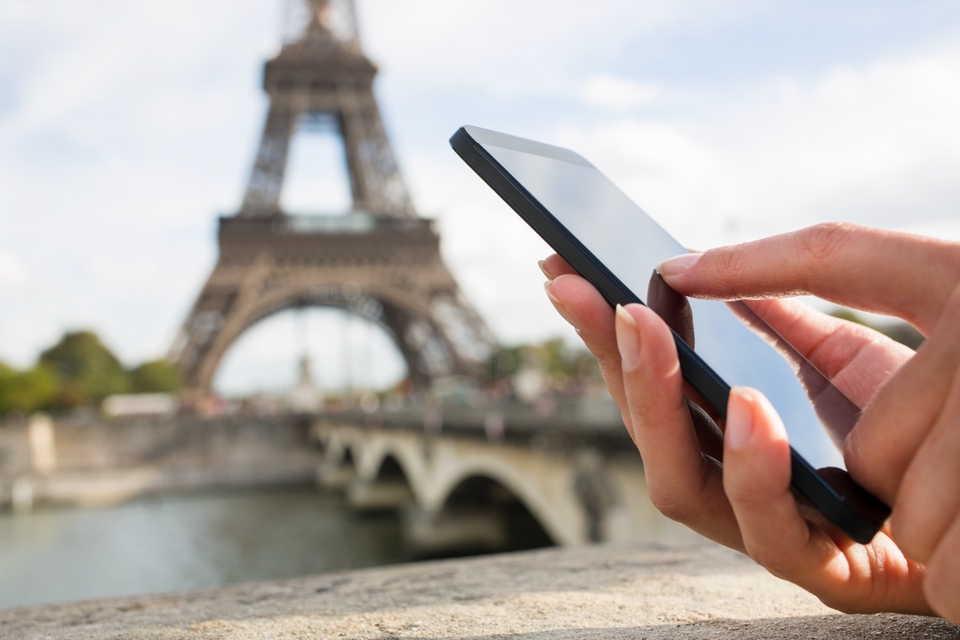
Be familiar with your surroundings. At the bare minimum, look over a map and the major landmarks of the town you’ll be staying in. Learn about the area in advance so that you’re not distracted by looking solely at your phone screen as you navigate.
Never flash your valuables. A cross-shoulder bag with a zipper is best to use a day pack in cities like Barcelona or Berlin where pickpocketing is common. Try to store your valuables at the hotel safe, divide up your cash into multiple stash areas, and ensure everything looks inconspicuous. A camera-branded bag is an obvious target for thieves looking to resell expensive camera gear. Meanwhile, an old backpack with padding cubes inside does just as great of a job protecting your goods but is much less flashy.
Stay alert. Unfortunately, heavily inebriated tourists are prime targets for criminals. Know your limits when it comes to drinking alcohol and always watch your drink. If you’re staying out late, make sure you head home at an hour where you’ll still be sober and alert.
Trust your instincts. If something feels off, it probably is. Many travellers feel embarrassed about overreacting or assuming the worst in others. What’s more embarrassing? Having something happen when your gut feeling told you to get away from the situation.
Concern #2: Cost
Some travellers are hesitant to go on a trip alone because of the increased costs. Taxi fares and hotel rooms are obviously more expensive when you don’t have someone to split the bill with.
However, the cost of travelling alone is not usually much more expensive than travelling with a group. In fact, it can often be cheaper. Consider that group members often have varying budgets and interests. When you are alone, you can choose to give an expensive sightseeing opportunity a miss if it doesn’t fit your budget, whereas you might be more pressured to pay for something you cannot afford if you were to travel with a friend.
How to save money on a solo trip
Stay at hostels where you can cook your own meals in the presence of potential travel mates and dine on street food. Travel slowly — costs rise when you are hiring a taxi all to yourself, so staying at fewer places for a longer amount of time cuts the cost of transportation. Use public transport, or meet fellow travellers to rideshare so that you can save money while making friends.
Concern #3: Loneliness and homesickness

Travelling solo sounds like it’s sure cause loneliness for some. The thought of eating meals alone or doing activities by yourself might not sound appealing to those that love being around people.
Actually, it’s very easy to make friends while travelling — especially since solo travel is becoming more common.
How to make friends while travelling
Thanks to the internet, there is no shortage of places where you can connect with fellow travellers online. Sites like Couchsurfing, Facebook groups, and hobby forums often have a section where you can plan meeting up with like-minded travellers.
You can also make friends by joining a tour (walking tours are typically fun and cheap), checking into a social hostel, and approaching people who seem like they could also use some company. Many solo travellers tend to gravitate towards popular cafes where you might meet a friend over coffee.
The best destinations for solo travellers
When asked about the best destinations for solo travellers, our respondants listed Europe as the top solo-friendly destination (27%) followed by Oceania (23%) and Southeast Asia (14%).
Europe: Spain, France, and the United Kingdom all support a strong culture of solo travel. Hostels are very common, and there is typically enough nightlife going on for those who want to party.

Oceania: It’s no surprise that both Australia and New Zealand are great destinations for solo travelers. The low crime rate, ease of getting around (especially on Australia’s east coast), and reputation for having helpful locals make these countries a top spot for travelers of all ages.
Southeast Asia: One of the best things about living in New Zealand is the proximity to Southeast Asia, where travel tends to be cheap and safe. Countries like Thailand, Singapore, and Indonesia often attract adventurous solo travellers so it’s very easy to make friends on the tourist trail.


